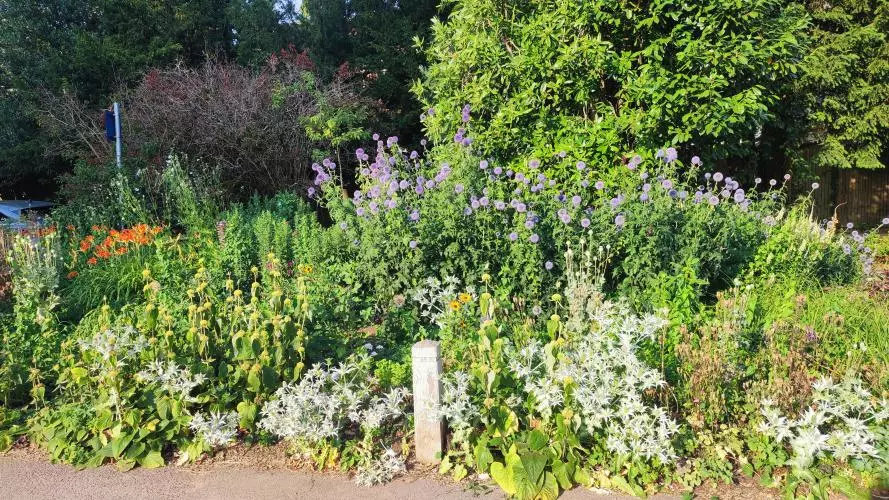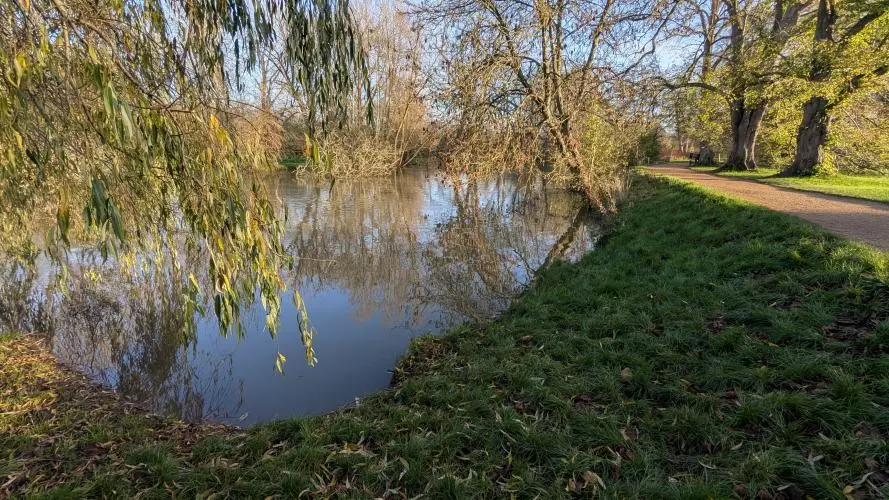
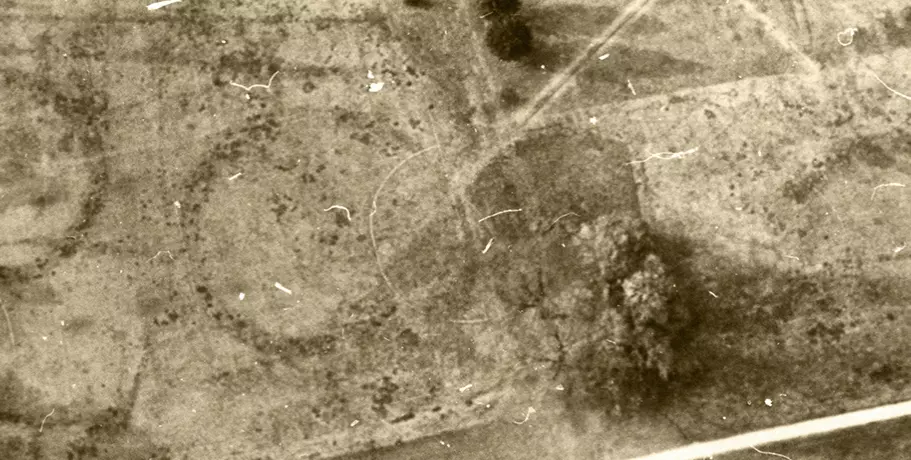
Since the mid-19th century, University Parks has formed an essential part of recreational life for members of the University, residents of Oxford, and visitors from around the world. Yet the story of this 70-acre landscape between the city centre and the River Cherwell stretches back thousands of years.
From Bronze Age burial sites and medieval farmland to 17th-century scholar walks and Victorian landscape design, the grounds have continually evolved. Purchased by the University in 1853 to safeguard open green space as Oxford expanded, the site was transformed by botanists into a living arboretum, a home for varsity sport, and a protected public sanctuary.
Explore the timeline and topics below to uncover how centuries of rural history, scientific vision, and Oxford life have shaped the Parks we enjoy today.
A brief timeline of University Parks
1853-1854
Purchase of the land
The University of Oxford purchases 42 acres of land from Merton College to preserve open green space as the University expands.
1864
Formal layout begins
A delegate committee is formed to design and manage the Parks. Initial layout plans are established by botanists, setting the foundation for the park's botanical focus.
1881
First University cricket match
University Cricket moves to its permanent home in the Parks with the completion of the Cricket Pavilion, designed by architect T.G. Jackson.
1888
Major botanical planting begins
Key tree avenues and collections are established, including the Wellingtonia cluster on North Walk and the historic Japanese Pagoda tree.
1914 & 1949
Wartime allotments
During both World Wars, portions of the Parks are dug up and repurposed as allotments and training grounds to support the national war effort.
1953
Coronation Clump planted
A commemorative ring of chestnuts, maples, and a rare Coulter's pine is planted to mark the coronation of Queen Elizabeth II.
2013
Diamond Jubilee Ring planted
Heads of Oxford's Permanent Private Halls plant six tulip trees in a 20m circle with a central Magnolia to mark Queen Elizabeth II's Diamond Jubilee.
2023
Elm restoration project
A ring of seven Dutch elm disease-resistant elms is planted in Picked Mead, bringing the historic tree back to Oxford's landscape.
Dive into our history
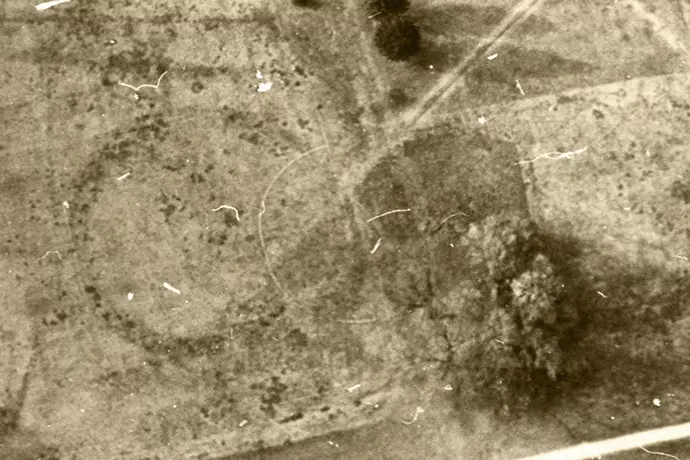
Bronze Age and beyond
From Bronze Age settlements and medieval farming to the modern day, explore the hidden human history written into the landscape.
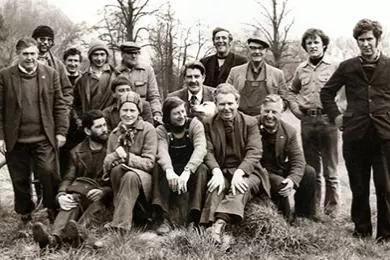
Caring for the Parks
Learn about the early curators and how our team continues to develop the Parks for future generations.
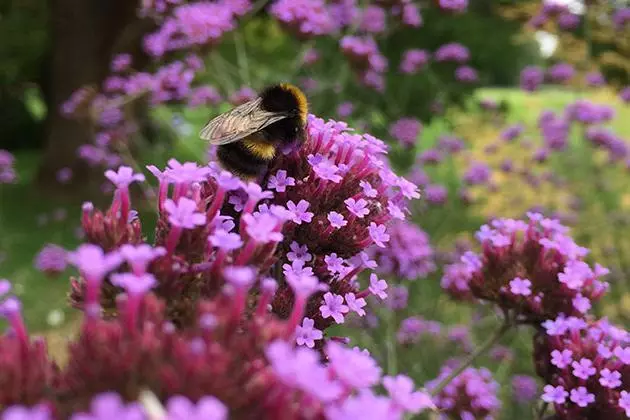
A botanic legacy
Explore the history of our living arboretum, connecting 19th-century planting visions with today’s climate resilience projects.
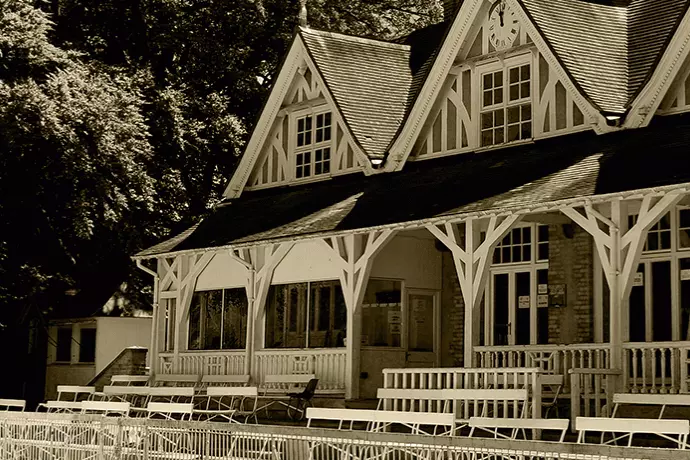
Society and sports
Uncover how the Parks became Oxford’s sporting heart, a place for people to meet and relax, and played its part during two World Wars.
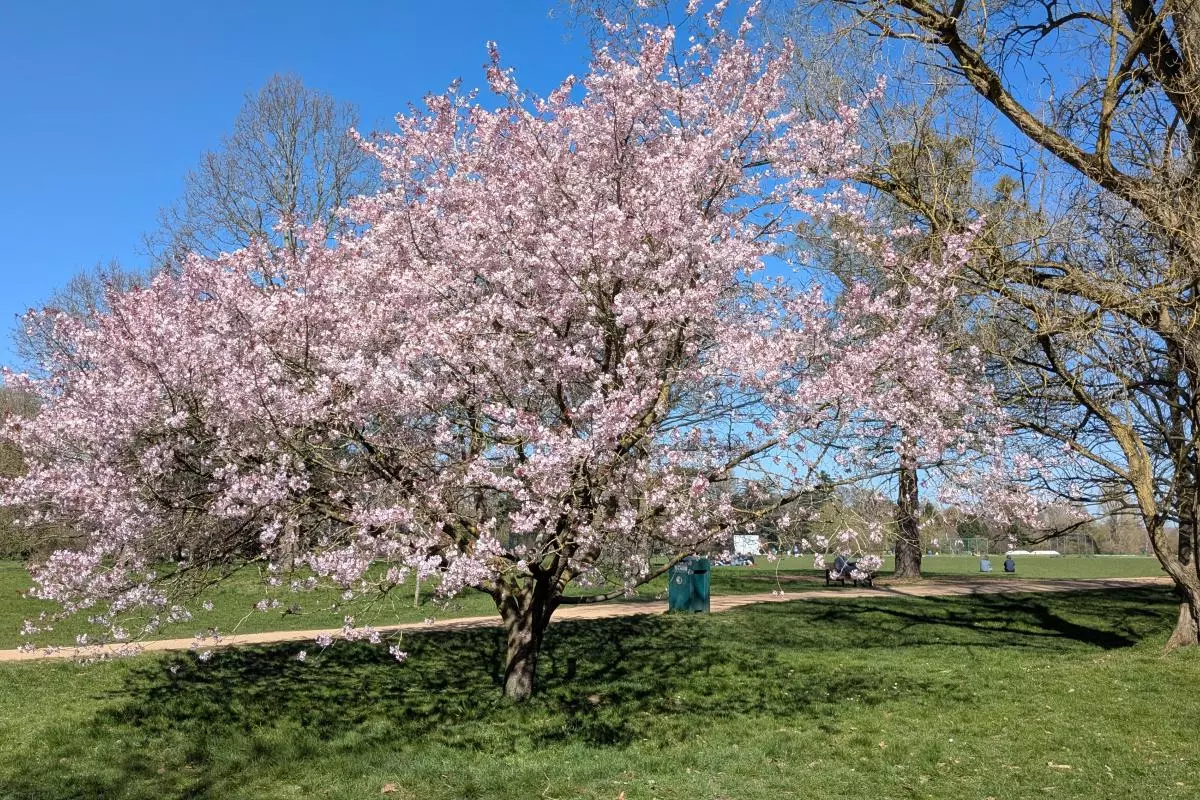

Self-guided history walk
Step back in time with a structured walking route highlighting crop marks, historic lodges, and Victorian architecture.
Did you know?
The ring of trees surrounding the Parks’ croquet lawn wasn't planted just for decoration. In 1878, gardeners deliberately planted them to hide the newly built University Observatory, which was considered a bit of an eyesore sitting isolated in the middle of the open grounds!