
The historic pond in University Parks is set for a major restoration project after years of silt build-up, reed growth and bank erosion have reduced the water surface area and the pond’s biodiversity value.
The pond was originally designed as a formal round feature when the Parks was first laid out, with sections of its historic stone wall still visible. Around 25 years ago, former Superintendent Walter Sawyer transformed it into a larger, more informal pond designed to provide greater benefits for wildlife.
Since then, however, natural ecological succession has begun to reshape the site. Reeds have spread across the pond, trapping silt and allowing meadow plants to establish themselves in areas that were once open water.
“It's a wonderful example of ecological succession at work, but we have to arrest it,” says Dr Carolyn Jenkins, Superintendent of the Parks.
An ecological assessment carried out last year identified reducing the spread of reeds and removing accumulated silt as key priorities. The project will also address significant erosion along the pond’s banks.
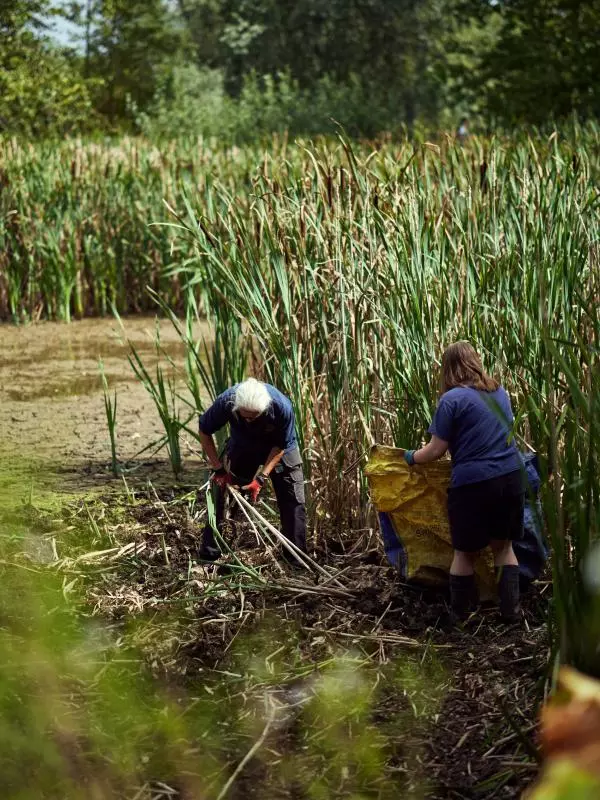
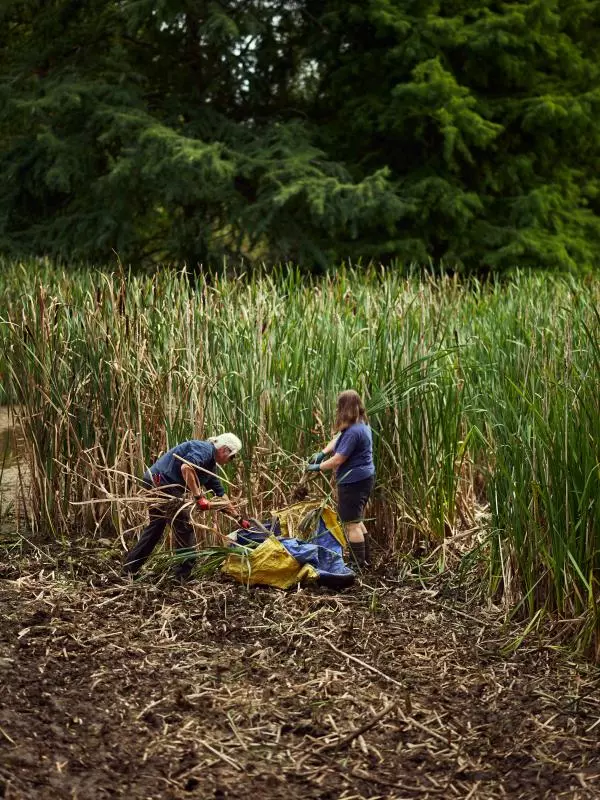
Plans include cutting back the reeds, removing their underground rhizomes and accumulated silt and installing coir rolls along vulnerable sections of the banks. The natural fibre rolls will help stabilise the banks while also providing additional habitat.
The work is expected to be challenging. While trimming the visible reeds can be relatively straightforward, removing the extensive network of rhizomes and silt will require machinery and specialist disposal.
The pond’s water supply presents another issue. It is fed from the River Cherwell through an inlet pipe, with another pipe allowing water to leave the pond. During periods of low river levels, however, the pipes can sit above the river level, leaving the pond increasingly dependent on rainfall and vulnerable to evaporation.
Recent investigations found that the existing Victorian-era pipes are damaged and heavily affected by tree roots. Consultants have recommended replacing them with new pipes fitted with valves, allowing the flow of water into and out of the pond to be controlled.
The restoration team then hopes to drain the pond, either naturally as water levels fall or through controlled drainage, before beginning the main reed and silt removal. The full programme of work is unlikely to be completed until the end of 2027 but some reed removal has already been done while water levels were particularly low this summer.
The cost of the work will be covered by the University’s Oxford Sustainability Fund. The restoration aims to prevent the historic pond from being choked by vegetation, so as to retain its value as a wildlife habitat and restore a balance between open water, reeds and surrounding vegetation.