
The Hayrick Border, one of the University Parks’ main mixed herbaceous borders, is flourishing following a major programme of restoration and replanting – combining traditional garden design with the University’s commitment to sustainability and biodiversity.
The border had become tired after maintenance was disrupted during the COVID-19 lockdowns, with bindweed becoming particularly persistent. In February, the top layers of soil were removed using a digger to tackle the problem, with weed-suppressant membrane still covering two areas where the bindweed remains.
The rest of the border was replanted in February, drawing inspiration from the work of renowned Victorian plantswoman and garden designer Gertrude Jekyll.
Jekyll was famous for arranging planting in colour sequences, moving from cool shades through warmer, ‘hot’ colours and back again. The new Hayrick Border follows the same principle, while also being specifically designed to support pollinators.
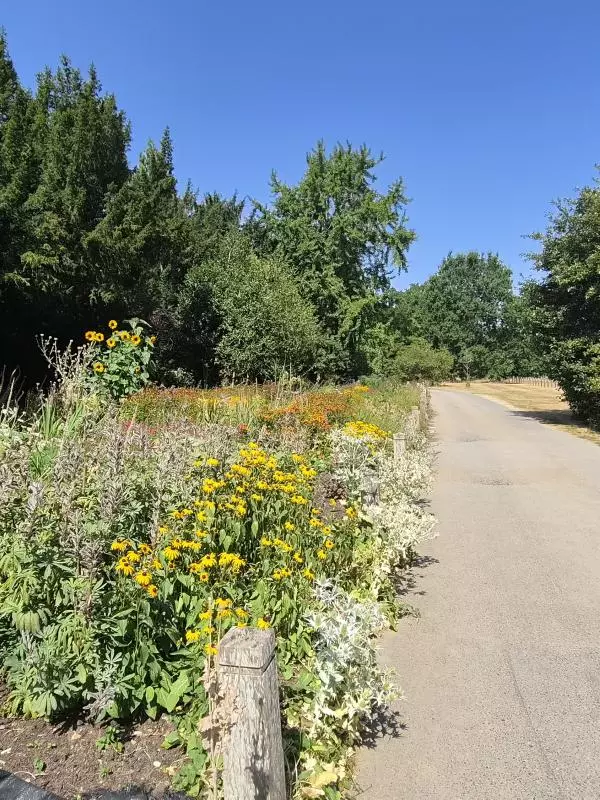
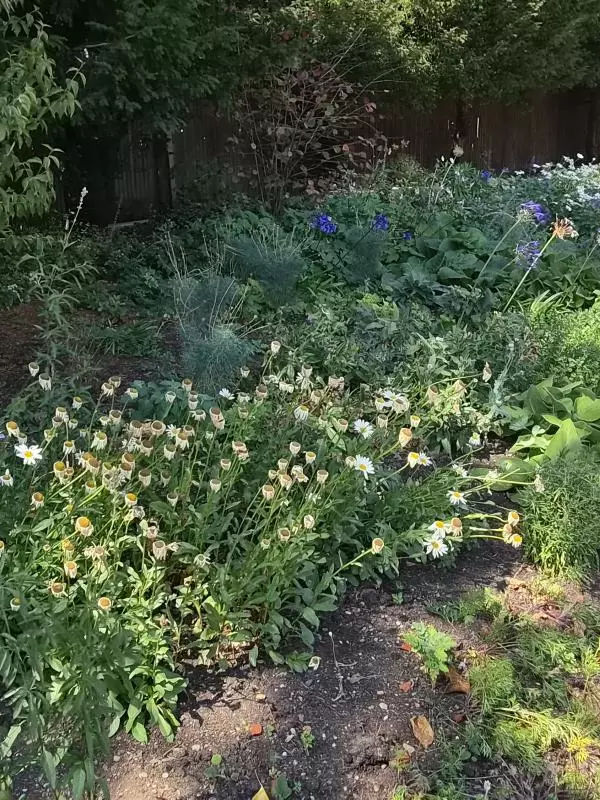
The results are already visible: just months after planting, bees and butterflies can be seen among the flowers, with the central section of warmer colours particularly coming into its own. The restoration provides a small but visible example of how the University’s approach to managing its estate can support biodiversity while caring for Oxford’s historic green spaces.
The University’s Estate Strategy 2024–2029 commits to conserving its historic built and natural environment, including the careful use of green spaces, while ensuring the estate is environmentally sustainable over the long term. It also aims to put the University in a position to achieve a positive overall impact on biodiversity by 2035.
The project also supports the ambitions of the University’s Strategic Plan 2025–2030, which identifies both the physical estate and environmental sustainability as key enablers of the University’s wider goals and highlights the need to deepen Oxford’s commitment to sustainability.
The final two sections of the border have already been designed and will be planted in the autumn, completing the restoration and creating an increasingly rich habitat for pollinators.
Now in its first year, the renewed Hayrick Border demonstrates how thoughtful management of the University’s green spaces can bring together heritage, horticulture and biodiversity – helping to create a more sustainable estate for the future.